Rainforest Algae™ Modular Biological Treatment Systems
Rainforest Algae provides modular, flow through biological treatment systems designed to increase wastewater treatment capacity while reducing energy demand, sludge generation, and greenhouse gas emissions.
The system integrates alongside existing wastewater treatment infrastructure, allowing municipalities and industrial operators to improve treatment performance without rebuilding their plants.
Rainforest technology combines biological filtration with controlled algae cultivation and advanced gas liquid transfer. In this environment, algae and beneficial bacteria work together to remove nitrogen, phosphorus, and residual organic compounds while converting nutrients and carbon dioxide into valuable biomass.
Unlike traditional algae ponds, Rainforest systems operate in compact enclosed modules that require significantly less land and can function in colder climates.
Higher WWTP Capacity + Reduce Energy Use + Lower Emissions
The Challenge Facing Wastewater Utilities
Municipal wastewater treatment plants are under growing pressure to:
Increase treatment capacity without major capital rebuilds
Reduce electricity use, especially aeration which is often the largest operating cost
Control sludge volumes and disposal costs
Meet tightening nutrient and climate related regulations
Manage peak flows and side stream loads reliably
Traditional solutions often require large capital projects, long construction timelines, and operational disruption.
The Rainforest Solution
Rainforest systems intensify biological treatment using controlled algae cultivation and advanced gas-liquid transfer.
Use 5-6x less land than high-rate algal ponds (HRAP) systems
Potential 30–60 percent reduction in aeration energy demand depending on plant configuration
Intensifies biological treatment rather than replacing it
Captures nutrients and carbon biologically instead of destroying them with energy-intensive aeration
Rainforest modules can be integrated at several points within an existing treatment process:
Primary effluent leaving primary clarifiers
Sidestream flows such as digester centrate
Wet weather or peak flow treatment
Industrial or high-nutrient wastewater streams
Water treated by the system returns to the existing plant process.
This reduces the load placed on aeration tanks, clarifiers, and downstream polishing processes.
RESULT
More effective treatment capacity using existing infrastructure.
IDEAL FOR MUNICIPAL AND INDUSTRIAL WASTEWATER
From Pilot Systems to Full-Scale Deployment
Rainforest systems are designed to fit within existing wastewater treatment operations, allowing operators to strengthen treatment performance without disrupting established plant processes.
Integrates with existing SCADA systems and operating practices
Avoids common aeration issues such as diffuser fouling and foam management
Enclosed and controlled biological environment rather than open ponds
Modular scaling allows operators to evaluate and expand systems gradually
Helps stabilize downstream processes during peak flow events
Supports circular economy and sustainability objectives
Algae-based treatment pathways convert nutrients and carbon dioxide into biomass rather than relying solely on energy-intensive aeration.
Wastewater treatment plants are significant energy users, with aeration often representing the largest share of electricity consumption. Traditional treatment methods rely on energy intensive oxidation processes to remove nutrients and organic compounds.
Biological treatment systems that incorporate algae introduce a complementary pathway.
Algae absorb carbon dioxide during photosynthesis
Nutrients are converted into biomass rather than destroyed through energy intensive processes
Reduced aeration demand can help lower plant electricity consumption
Supports municipal climate and net zero targets
MODULAR, LOW-RISK DEPLOYMENT
Systems can be deployed gradually as treatment needs evolve.
Suitable for primary effluent, side-streams, or wet-weather flows
RESULT
No plant shutdowns, no process upheaval, no “all-or-nothing” capital risk.
RESEARCH
Why Municipalities Are Exploring Modular Wastewater Systems
Expanding municipal wastewater treatment capacity typically requires very large infrastructure projects.
New treatment trains or plant expansions can cost hundreds of millions of dollars and take many years to design and construct.
Modular biological treatment systems provide an alternative approach by allowing municipalities to:
Add treatment capacity incrementally
Reduce operating costs before major expansions become necessary
Improve environmental performance without major construction
Stage infrastructure investment over time
Even delaying a major plant expansion by several years can provide significant financial and operational benefits.
Explore Rainforest Technology for Your Facility
Interested in learning how Rainforest Algae systems can support your wastewater treatment operations? Submit the form below and our team will follow up to discuss your project or facility needs.
Have a Wastewater Question?
If you are exploring wastewater treatment improvements or pilot opportunities, feel free to share a few details about your facility.
You may also contact our team directly at
403-616-0555.
RESEARCH
Current Research Focus
Maybe link to goals and objectives
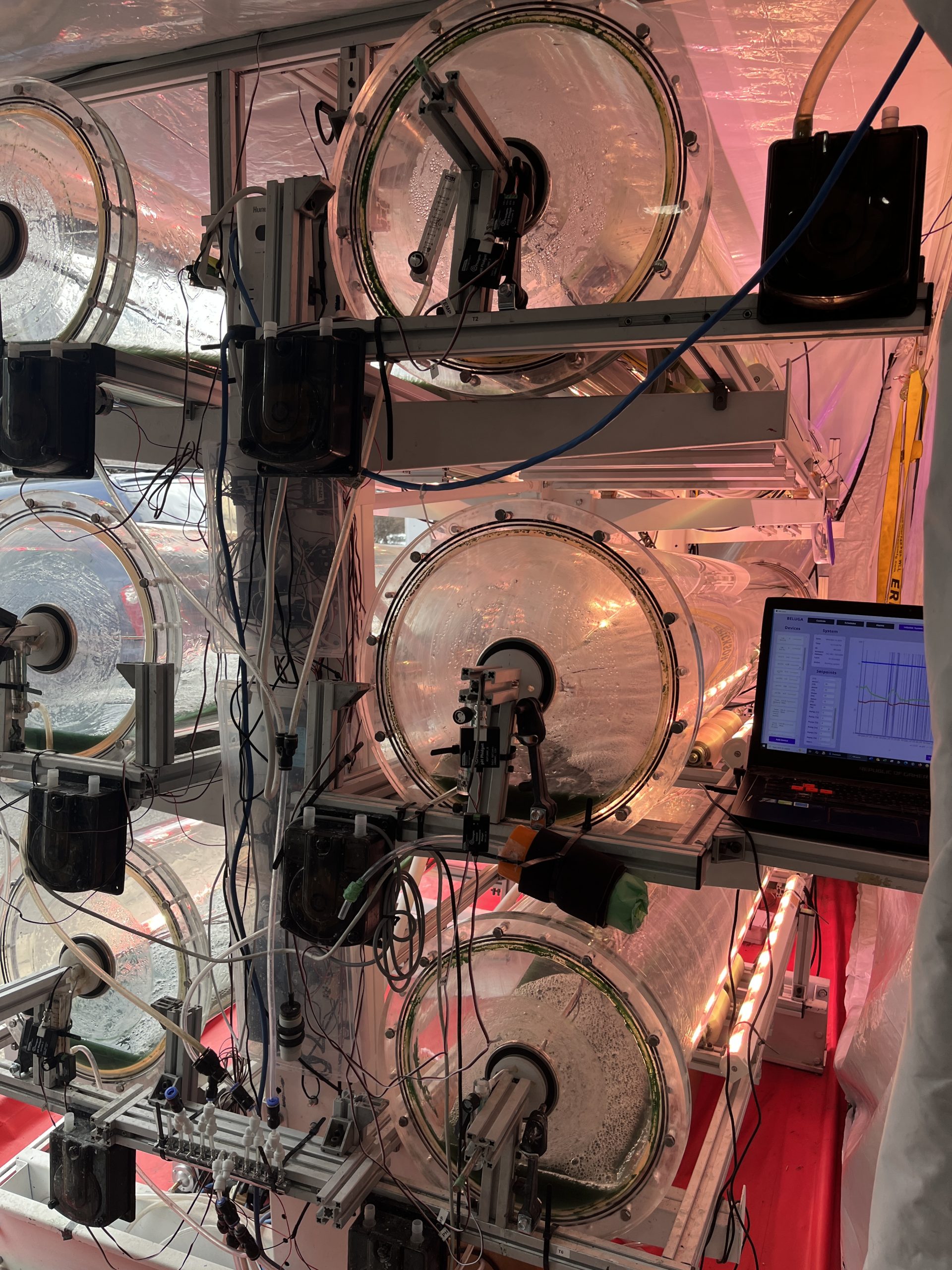
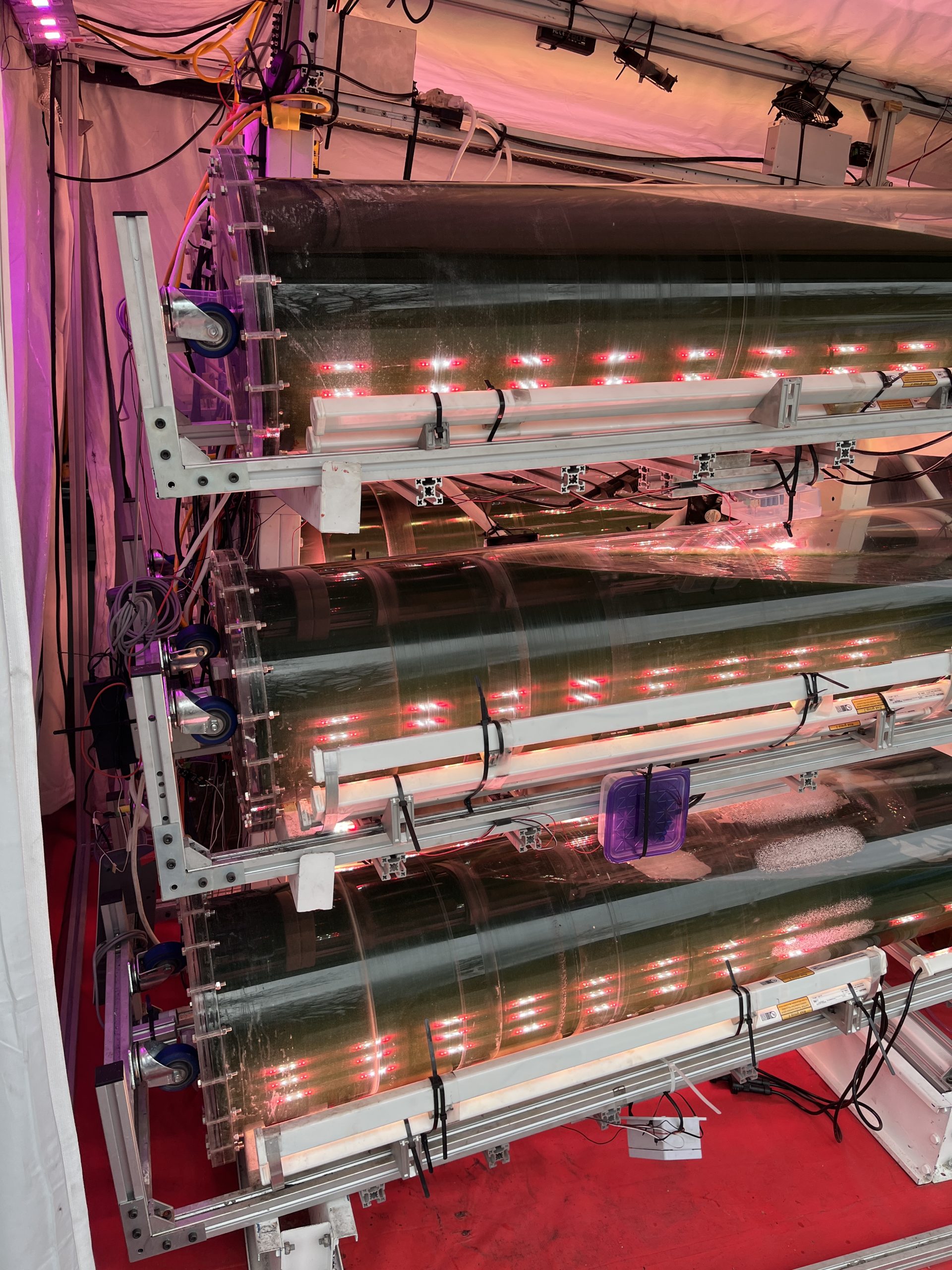
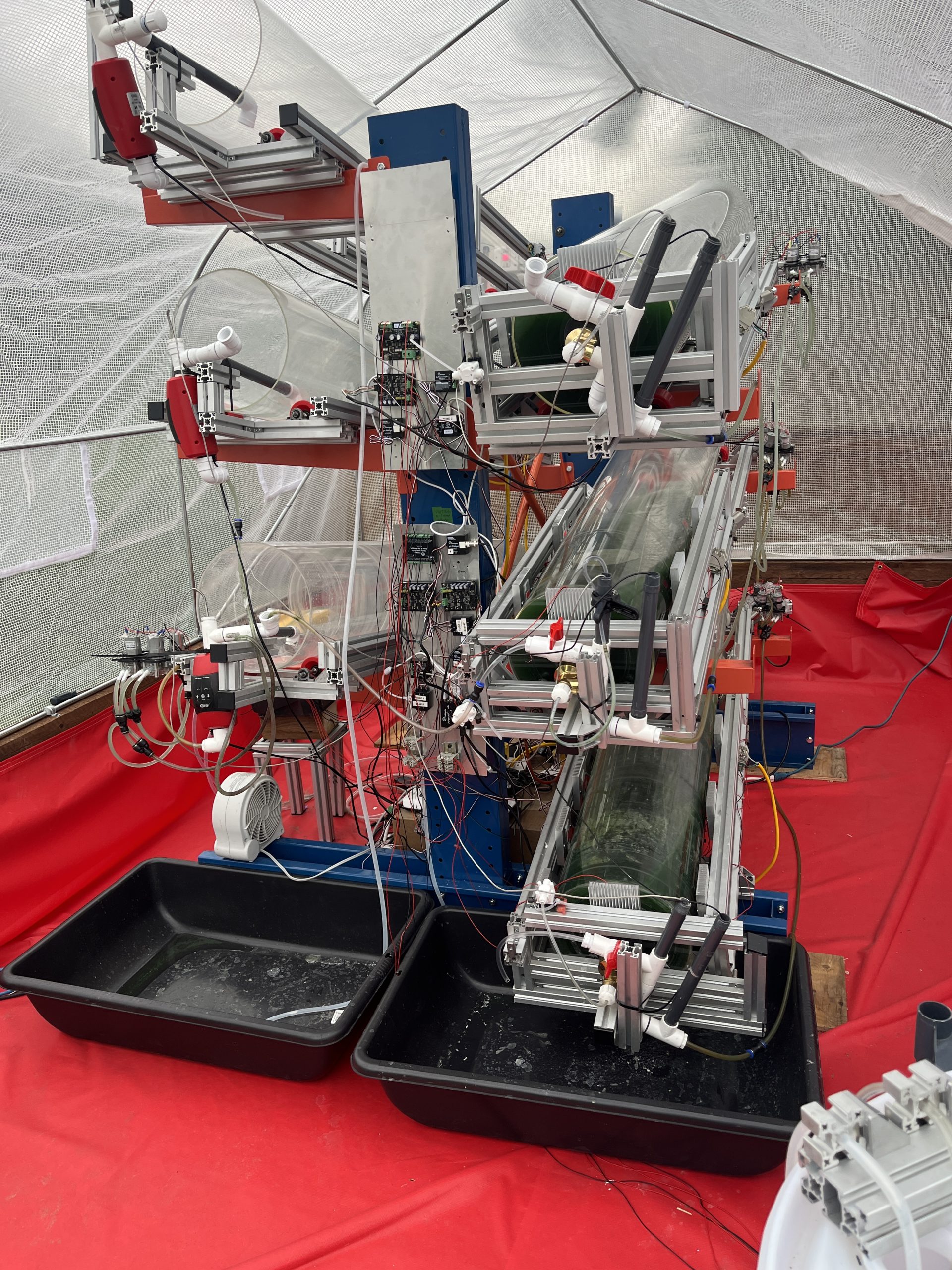
Commission of 100 L photobioreactor (PBR) system
Design and construction of 1m3 PBR
Flashing light and light spectrum optimization studies
Mass gas transfer between phases
Nutrient optimization
Renewable energy integration
Algae harvesting operations
PBR operational optimization strategies
Application of machine language (ML) and artificial intelligence (AI) for cultivation optimization
PBR system energy management optimization
Protein extraction research
Food recipe development
Process automation
This project aims to scale to a commercial level of a 10m3 and to fully automate and optimize system processes from cultivation through to harvesting, drying, and storage.
The next step in scale up operations will be to design / construct a 1m3 PBR algae cultivation platform.
Increase yield
Therefore, research efforts must include emphasis on reducing the energy input costs.